
Vessel Chartering Broker in Qatar & GCC: A Guide to Offshore Vessel Sourcing and Charter Services
A vessel chartering broker helps companies find and hire the right ship for their project across Qatar and the GCC. Whether it’s a supply run to an offshore platform, a tug for a dredging job, or a tanker moving product between ports, the work can’t start until the right vessel is on site, on the right terms. That’s the gap a broker fills.
Qatar and the wider GCC region run on maritime activity. Offshore oil and gas, LNG, construction, dredging and port projects all depend on a steady supply of vessels, and the market for them isn't always easy to read. Rates move, availability shifts, and the difference between a good charter and a bad one often sits in clauses most people never see.
This guide explains how vessel chartering brokers work, what offshore vessel chartering involves, and how to pick a partner you can rely on when time is short.


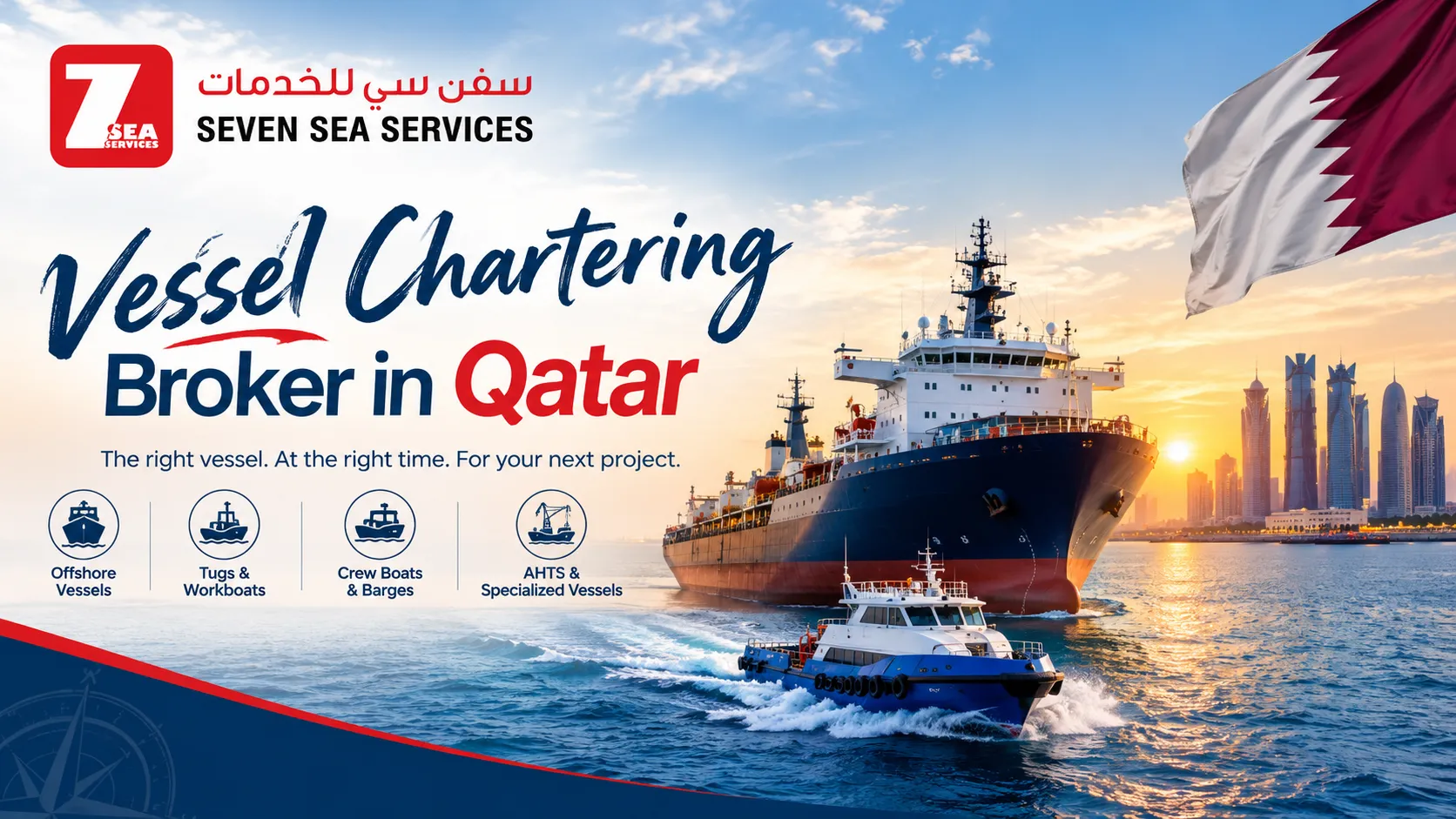
What Is a Vessel Chartering Broker?
A vessel chartering broker is the go-between for people who need a ship and people who own one. On one side is the charterer: a company with cargo to move or offshore work to carry out. On the other is the ship owner or operator with a vessel available.
The broker finds the match, negotiates the commercial terms, and makes sure the paperwork reflects what both sides actually agreed. A good broker also knows the market. They know which owners have tonnage open in the Gulf, what similar vessels are fetching, and which terms are fair and which are one-sided.
Ship charter broker services usually cover three things:
-
Finding vessels or cargo: sourcing suitable tonnage for the charterer, or sourcing cargo for an owner.
-
Negotiation: agreeing rates, duration, delivery and redelivery terms, and responsibilities.
-
Contract management: handling the charter party and keeping owners, charterers and agents aligned while the charter runs.
Types of Charter You Should Know
Understanding the main charter types helps you ask for the right thing from day one.
Time Charter
You hire the vessel for a set period, whether weeks, months or years, and pay a daily rate. The owner keeps managing the ship and crew, while you decide where it goes and what it carries. This suits ongoing offshore support, supply runs and long projects.
Voyage Charter
You hire the vessel for a specific trip between agreed ports, usually priced per tonne or as a lump sum. It's common for tankers, bulk carriers and general cargo where the job is a single movement.
Bareboat Charter
You hire the vessel without crew and take over operational responsibility, including crewing, insurance and maintenance. It's a longer-term arrangement and suits operators who want full control.
Spot and Short-Term Charters
When something urgent comes up, such as an emergency repair mobilization or a last-minute project cargo, a short-term or spot charter gets a vessel working fast. This is where a broker with a live network earns their fee.
Offshore Vessel Chartering: What It Involves
Offshore vessel chartering is its own specialty. The vessels are built for demanding work, the operating conditions are tough, and the contracts reflect that.
Common offshore and coastal vessels include:
-
Platform supply vessels (PSVs) that carry equipment, fuel, water and supplies to offshore installations
-
Anchor handling tug supply vessels (AHTS) used for towing and positioning rigs and handling anchors
-
Tugs and barges for towage, marine construction and project cargo
-
Crew boats for moving personnel safely between shore and offshore sites
-
Landing crafts and Ro-Ro vessels for loading vehicles and heavy equipment over short sea distances
-
Dredgers for port, channel and land reclamation work
Offshore charters also come with extra layers: vessel specifications, class and certification checks, safety and environmental requirements, and in many cases standard industry contract forms built for offshore support work. Getting these details right at the start saves a lot of friction once the vessel is mobilized.
Why Offshore Support Matters in Qatar
Offshore support in Qatar is closely tied to the country's energy sector. Large-scale gas and LNG developments, along with ongoing offshore operations, keep demand for support vessels, crew transfers and marine logistics high. Add port expansion, coastal construction and industrial projects, and the need for dependable vessel access only grows.
For charterers, the challenge isn't just finding any vessel. It's finding one that meets project specifications, is available in the right window, and comes with documentation that satisfies client and regulatory requirements. A broker with local presence and regional relationships can move through this much faster than someone working from a distance.
Vessel Sourcing Services: How the Process Works
Vessel sourcing services take the legwork out of finding the right ship. Here's how a typical engagement runs.
-
You share the requirement. Vessel type, cargo or scope of work, route or operating area, start date and expected duration.
-
The broker searches the market. They approach owners and operators with suitable tonnage and check availability against your timeline.
-
Options come back with terms. You see candidate vessels, rates and conditions, usually with market context so you know how the offers compare.
-
Negotiation. The broker works the commercial points: rate, payment terms, delivery and redelivery, and who carries which responsibilities.
-
Contract and documentation. The charter party is agreed and signed, with supporting vessel and compliance documents in order.
-
Support during the charter. Good brokers stay involved, coordinating between owner, charterer and agents if something changes mid-charter.
The speed of this process depends mostly on how clear the requirement is. A tight brief with dates and specs gets better offers faster.
How to Choose a Vessel Chartering Broker
Not every broker is the same. Here's what to look for.
A Real Network of Owners and Operators
A broker is only as good as who they can call. Ask about the range of vessel owners they work with and whether they can cover the vessel types you need, from tugs and barges to tankers and bulk carriers.
Local and Regional Knowledge
Operating in Qatar and the GCC involves local regulations, port procedures and client expectations. A broker based in the region understands these from experience, which shortens approval times and avoids surprises.
Transparent Negotiation
You should know how offers compare and why. Be wary of brokers who can't explain a rate or who are vague about what's included.
Proper Documentation and Compliance
Charter parties, vessel certificates and compliance records need to be in order. A broker who treats this as routine rather than an afterthought protects you from disputes later.
Round-the-Clock Availability
Marine work doesn't keep office hours. Emergencies, weather windows and project delays happen at odd times, so your broker should be reachable when they do.
Flexibility Across Charter Types
Your needs will change. A broker who handles time, voyage, bareboat and spot charters can adapt with you instead of forcing every requirement into one model.
Common Mistakes to Avoid
-
Leaving it too late. Suitable vessels get booked. Starting early gives you more options and better rates.
-
Giving a vague brief. Missing details about cargo, route or timeline lead to mismatched offers and wasted time.
-
Choosing on day rate alone. The cheapest rate can hide extra costs in fuel, positioning, delivery terms or off-hire conditions.
-
Skipping the contract details. Clauses on delays, damage, redelivery and termination matter far more when something goes wrong.
-
Ignoring support after signing. A charter is a working relationship. Make sure someone is available throughout.
How Seven Sea Services Supports Charterers
At Seven Sea Services, our vessel chartering and brokering team works with ship owners, operators and cargo clients across Qatar and the GCC. We handle time, voyage and bareboat charters, along with short-term and project-based arrangements for offshore supply, construction, dredging and marine logistics.
Our vessel range covers general cargo vessels, oil, chemical and product tankers, bulk carriers from handysize to capesize, tugs and barges, offshore support vessels such as PSVs, AHTS and crew boats, plus landing crafts, Ro-Ro vessels and dredgers.
Because we also run marine and technical supply and repair and maintenance management services, we understand what happens around a charter too: the spares, the servicing and the operational detail that keep a vessel working once it's on hire. If you have a requirement in mind, you can talk to our team with your vessel type, route and dates, and we'll start sourcing options.
Final Thoughts
A vessel chartering broker earns their value in the details: knowing the market, reading the contract, and finding the right ship quickly when the clock is ticking. Whether you need offshore vessel chartering for a long project or a spot charter for an urgent move, the best results come from a clear brief, an early start and a broker who knows the Qatar and GCC waters.
Contact a partner who is transparent, well connected and reachable, and the charter becomes one less thing to worry about on a busy project.
FAQ
What does a vessel chartering broker do?
They match charterers with vessel owners, negotiate terms, and manage the charter contract.
How is a time charter different from a voyage charter?
Time charter hires a vessel for a period; voyage charter covers one trip between set ports.
Which vessels can be chartered for offshore work in Qatar?
PSVs, AHTS, tugs, barges, crew boats, landing crafts, and tankers are all commonly chartered.
How long does vessel sourcing usually take?
Urgent requests can be matched in days; complex project charters may take a few weeks.
What details do I share to get a charter quote?
Share vessel type, cargo, route, dates, and duration so the broker can source suitable options.
Leave a Reply
Provide clear contact information, including phone number, email, and address.
