
How to Choose the Best Freight Forwarder in Qatar: A Complete Guide
If you move cargo in or out of Qatar, your freight forwarder can make or break your supply chain. Pick the right one and shipments clear customs without drama, costs stay predictable, and your goods arrive on time. Pick the wrong one and you're stuck chasing updates, paying surprise fees, and explaining delays to your own customers.
Qatar's ports and airports handle a huge volume of trade every year, feeding construction, energy, retail, and marine sectors across the country. With so much cargo moving through Hamad Port and Hamad International Airport, the market is full of freight forwarding Qatar companies claiming to be the best. Some genuinely are. Others are brokers with a website and not much else behind it.
This guide walks through exactly what separates a solid freight forwarder from one that will cause you headaches, so you can make a confident choice.


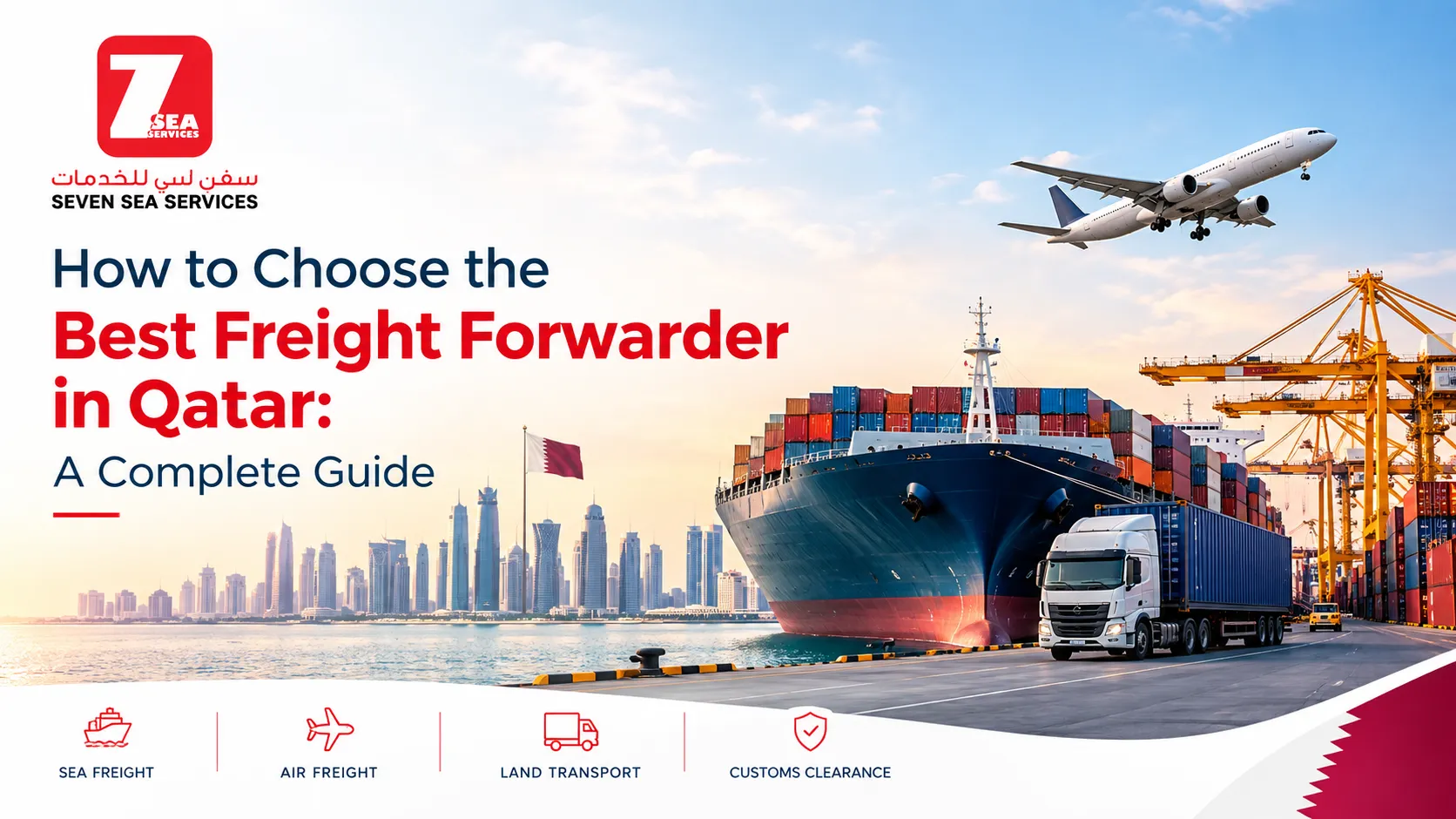
What a Freight Forwarder Actually Does
A freight forwarder isn't a shipping line, and it isn't just a middleman either. Think of it as the coordinator of your entire shipment. It books space with carriers, prepares and checks documentation, arranges customs clearance, coordinates inland transport, and keeps you updated at every stage.
A good forwarder also steps in when something goes wrong - a delayed vessel, a customs query, a missing document and sorts it out before it becomes your problem. That's the real value: someone who owns the process from pickup to final delivery, not just someone who books a container.
Why Choosing the Right Forwarder Matters More in Qatar
Qatar has specific import regulations, port procedures, and documentation requirements that differ from neighboring GCC countries. A forwarder unfamiliar with local customs rules, free zone processes, or Qatari standards for restricted goods can hold up your shipment for days.
On top of that, a lot of business in Qatar runs on project timelines - construction sites, marine and offshore operations, oil and gas contracts. A late shipment doesn't just cost money, it can stall an entire project. That's why local expertise matters as much as international reach when you're comparing Qatar freight forwarders.
Key Factors to Look for in the Best Freight Forwarder in Qatar
1. Proper Licensing and Certifications
Start with the basics. A legitimate freight forwarder should be registered to operate in Qatar and, ideally, hold internationally recognized quality certifications such as ISO 9001. Certifications aren't just paperwork they show a company follows documented processes rather than winging it shipment by shipment.
2. Strong Network Across Sea, Air, and Land
Your needs might change from one shipment to the next. One month it's a full container by sea, the next it's an urgent air freight order, and after that it's inland trucking to a project site. A forwarder that only handles one mode will send you elsewhere for everything else, adding time and extra coordination on your end. Look for a partner that manages sea, air, and land freight under one roof.
3. Customs Clearance Expertise
This is where shipments actually get stuck. A forwarder with real customs experience in Qatar will know exactly which documents each type of cargo needs, how to handle Qatar General Authority of Customs procedures, and how to avoid the common mistakes that trigger inspections or delays. Ask directly about their customs track record before signing anything.
4. Transparent Pricing
Ask for a full cost breakdown upfront - freight charges, customs fees, handling, storage, and any potential surcharges. Forwarders that avoid giving a clear quote, or bury costs in vague line items, tend to be the ones that surprise you with extra invoices later.
5. Communication and Tracking
You shouldn't have to call five times to find out where your cargo is. The best freight forwarders in Qatar give you a direct point of contact and proactive updates, especially at critical stages like customs clearance and final delivery.
6. Industry-Specific Experience
Marine, oil and gas, construction, and retail cargo all come with different handling requirements. A forwarder experienced in your specific industry will already understand your compliance needs, packaging standards, and typical shipment patterns, which means fewer questions and fewer mistakes.
7. Reputation and Track Record
Look for a company with a real operating history in Qatar, not just a slick website. Ask for references, check how long they've been active locally, and see whether they work with established names in your industry. A forwarder that's been through busy shipping seasons and handled complex cargo has learned lessons that a newer operator hasn't yet.
Red Flags to Watch Out For
-
Reluctance to put pricing in writing
-
No clear physical office or local presence in Qatar
-
Vague answers about customs procedures
-
No references or verifiable client history
-
Promises that sound too good to be true on cost or delivery time
If you notice two or more of these during your first conversation, keep looking.
Questions to Ask Before You Sign
-
How long have you operated in Qatar, and in which sectors?
-
What's your process if a shipment gets held at customs?
-
Can you share a sample cost breakdown for a shipment like mine?
-
Do you handle sea, air, and land freight, or only one?
-
Who will be my direct point of contact once the shipment is booked?
The answers to these questions tell you more than any marketing page will.
Why Local Expertise Beats a Generic Global Brand
Big international names can look reassuring, but size doesn't always translate to speed or flexibility in a market like Qatar. A forwarder that's based in Doha, understands local port operations firsthand, and has relationships with Qatari authorities can often clear cargo faster and solve problems quicker than a large multinational operating through a regional office.
At Seven Sea Services, freight and logistics management sits alongside our marine, technical, and workforce services, which means we understand the operational pressure behind every shipment, not just the paperwork. Our team coordinates global cargo movement, customs clearance, and last-mile delivery for clients across Qatar's marine, construction, and industrial sectors, backed by ISO-certified processes and a presence in Doha since 2015.
Final Thoughts
Choosing the best freight forwarder in Qatar comes down to checking the fundamentals: proper licensing, multi-mode capability, genuine customs expertise, honest pricing, and a track record you can verify. Don't rush the decision based on the lowest quote alone, a forwarder that gets your cargo through customs without delays will save you far more than they charge.
Take the time to ask the right questions upfront, and you'll end up with a logistics partner who actually makes your operations easier instead of one more thing to manage.
FAQ
How do I pick the best freight forwarder in Qatar?
Check licensing, GCC network reach, customs know-how, and clear pricing before you commit.
What does a freight forwarder do exactly?
They book cargo space, handle customs, arrange transport, and manage paperwork end to end.
Is Qatar freight forwarding costly for small firms?
Costs vary by cargo type and route, but bundled services usually cut overall shipping spend.
Can one forwarder handle sea, air, and land cargo?
Yes, most established Qatar freight forwarders manage all three modes under one contract.
How fast is customs clearance in Qatar usually?
With complete paperwork, clearance often takes one to three working days at Qatari ports.
Leave a Reply
Provide clear contact information, including phone number, email, and address.
